Journal / Technique
Technique - May 4, 2026
The Quiet Difference Between Stock And Broth
By Daniel Yip
Journal / Technique
By Daniel Yip
Stock and broth share a basic outline: bones, water, time. What separates them is what they emphasize. Stock leans on collagen -- a long, low simmer pulls gelatin out of joints and feet, leaving you a liquid that sets into a jiggle in the fridge. Broth leans on flavor -- a shorter, hotter cook pulls more savor out of meat and vegetables but less body.
A French braise wants stock, because it builds its own sauce as it reduces, and the gelatin is what makes the sauce cling. A Vietnamese pho wants broth, because the noodles do the body work and the liquid needs to taste of star anise and beef, not gelatin. Use the wrong one and a perfectly cooked dish will feel slightly off the mark.
A good freezer holds both. Stock goes in ice cube trays for pan sauces; broth goes in quart bags for soups. Label them by category and you will never reach for the wrong one again.
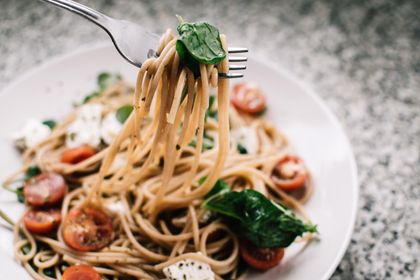
Every great cuisine has a small set of non-negotiables. Knowing which ones really matter is the difference between a recipe that honors a tradition and one that fights it.
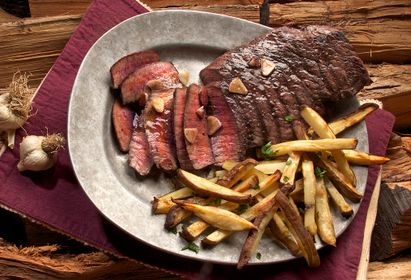
Samin Nosrats famous four have entered the language of cooking. There is a fifth element that most home cooks miss: context. A dish reads differently depending on what you ate before it.
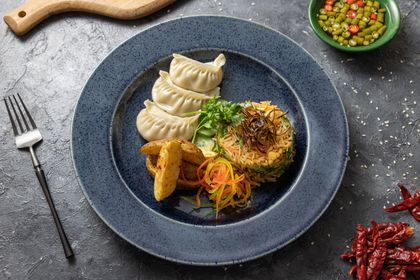
Rice is the worlds most common starch, and every cuisine treats it like its own. A week of rice meals is a map of how cooks solve the same problem differently.
