Journal / Skills
Skills - February 25, 2026
Reading A Recipe Like A Cook, Not A Translator
By Audra McKinley
Journal / Skills
By Audra McKinley
When an experienced cook picks up a recipe, the first thing they do is read it twice. Not for fun -- they are mapping it. They want to know which steps overlap, which need a head start, which can be done while waiting on another step. The recipe as written is a sequence; the cook performs it as a parallel process.
They are also pattern-matching. They have seen the technique before. A reduction, a braise, a quick saute, a long bake. The recipe is mostly a list of ingredients and timings; the technique is borrowed from a hundred other recipes the cook has already done.
You build this skill by cooking the same things several times. The third time you make a risotto, you no longer look at the recipe. You know the proportions, the timing of the wine, when to start the stock. The recipe was scaffolding for the first two attempts. The cook is in charge from then on.
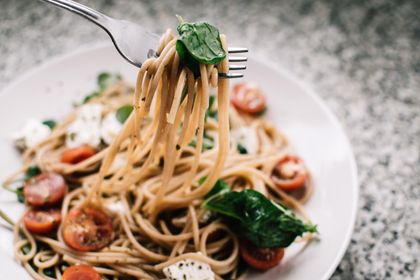
Every great cuisine has a small set of non-negotiables. Knowing which ones really matter is the difference between a recipe that honors a tradition and one that fights it.

They both come out of a pot of bones and water, but stock and broth want different things. Knowing which one a recipe needs is half the battle.
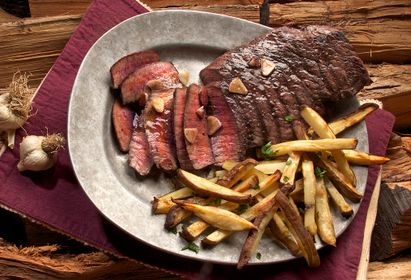
Samin Nosrats famous four have entered the language of cooking. There is a fifth element that most home cooks miss: context. A dish reads differently depending on what you ate before it.
